Our engineers are all over London, so we are never too far away.
E-mail us:info@landlordsafetycertificates.london 24 Hour Emergency Service - 7 Days a Week
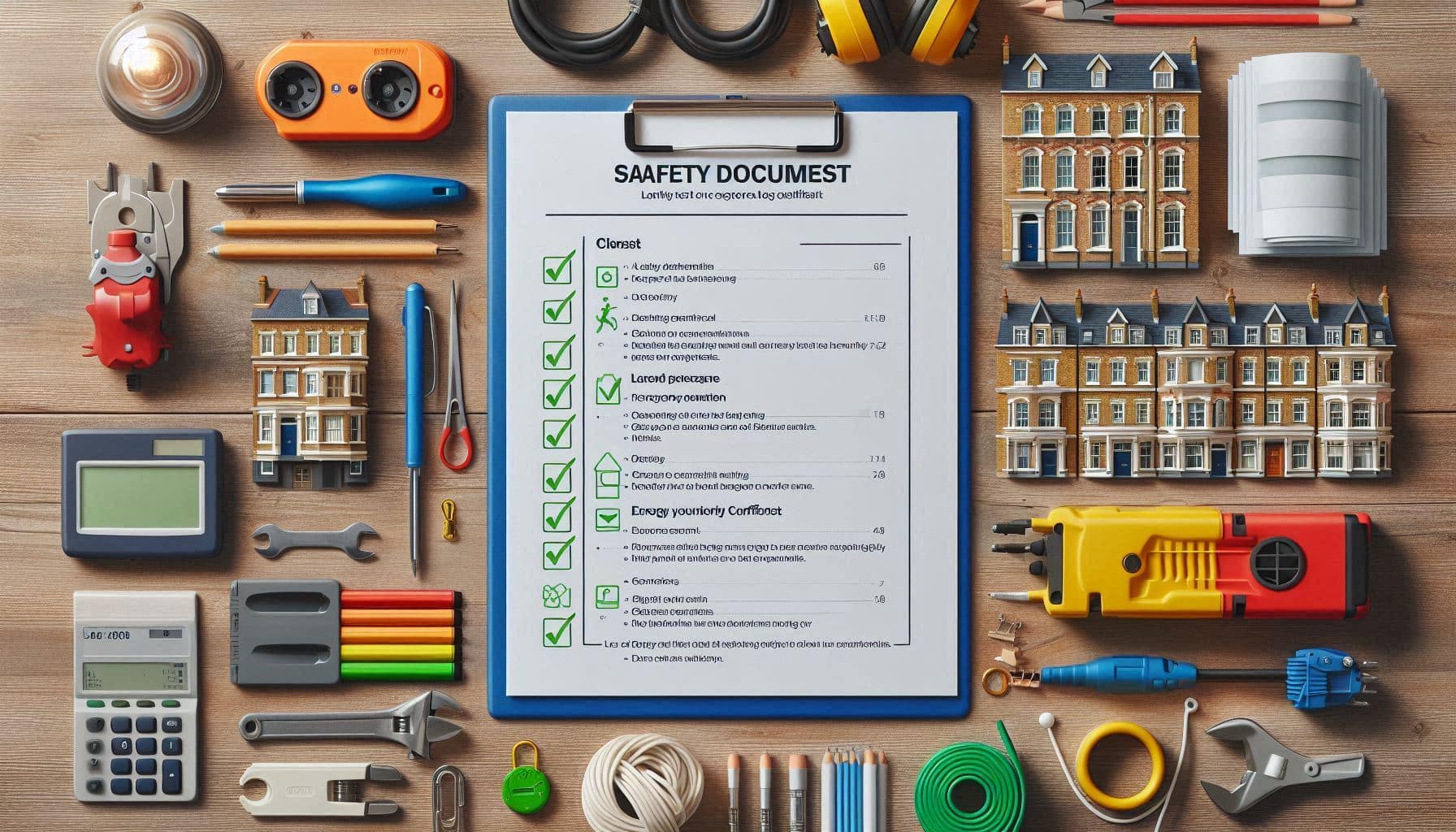
Managing rental properties in London involves more than collecting rent or fixing repairs. A key responsibility is ensuring every home complies with strict safety regulations. To achieve this, landlords should maintain a well-organised safety certificate folder. This folder acts as a central hub for essential documents that prove compliance, protect tenants, and shield landlords from legal risks. By keeping landlord compliance records updated, you build tenant trust, avoid penalties, and stay prepared for council inspections. This guide highlights what to include in your safety certificate folder, why it matters, and how a clear safety document checklist helps London landlords manage properties more effectively.
Why a Safety Certificate Folder Matters in London
London landlords operate under some of the toughest housing laws in the UK. Councils often inspect rental homes, and tenants are more aware of their rights than ever. Without organised landlord compliance records, landlords risk fines, disputes, or even losing HMO licenses.
In addition, a safety certificate folder shows professionalism. Tenants feel safer knowing their landlord takes compliance seriously, while letting agents, property managers, and insurers benefit from easy access to key documents.
Most importantly, a structured safety document checklist ensures nothing gets missed. Even one missing certificate can lead to serious consequences, so proper organisation remains essential.
Gas Safety Certificates
In London, every rental property must have an annual Gas Safety Certificate issued by a Gas Safe registered engineer. This certificate confirms that gas appliances, fittings, and flues are safe for tenants.
Landlords should keep the current certificate plus at least two previous records in their safety certificate folder. Doing so proves consistent compliance and provides evidence in case of disputes. Keeping these papers within your landlord compliance records also ensures you never miss renewal deadlines.
By adding gas certificates to your safety document checklist, you prioritise one of the most vital parts of property compliance.
The report highlights defects, risks of electric shock, or fire hazards. A valid EICR should always sit in the landlord compliance records, alongside proof of completed remedial work. Keeping this evidence shows that issues were not only identified but resolved.
Placing EICRs on your safety document checklist keeps you on schedule and strengthens your compliance record.
Energy Performance Certificates (EPC)
Every London rental must also have a valid Energy Performance Certificate (EPC). This document rates efficiency from A to G and requires renewal every ten years—or earlier if major improvements affect the rating.
An EPC is more than a formality; landlords cannot legally rent out a property below an E rating. Storing EPCs in your landlord compliance records helps avoid delays when marketing properties and provides tenants with clear information on energy costs.
By including EPCs in your safety document checklist, you prevent this crucial requirement from being overlooked.
Fire Safety Documentation
Fire safety requirements in London rentals are strict, especially for HMOs. Landlords should maintain detailed records of smoke alarm installations, carbon monoxide detectors, fire extinguishers, and emergency exit signage where required.
Additionally, any fire risk assessments should be documented and included in the safety certificate folder. By keeping these documents within the landlord compliance records, landlords demonstrate their commitment to protecting tenants from one of the most serious risks in housing.
Adding fire safety certificates to your safety document checklist makes it easier to track renewal dates for inspections and equipment checks.
Legionella Risk Assessments
While not always legally required, landlords are expected to assess the risk of Legionella bacteria in water systems. A simple risk assessment is often enough for most domestic properties, but landlords of larger or more complex properties may need professional testing.
Documenting these checks and including them in landlord compliance records adds an extra layer of protection. If a council inspector or tenant raises concerns, landlords can show evidence of proactive risk management.
By placing Legionella risk assessments on your safety document checklist, you guarantee that this often-overlooked responsibility is never forgotten.
Tenancy Agreements and Legal Notices
While not certificates, tenancy agreements and legal compliance notices belong in your safety certificate folder. They establish the contractual framework between landlord and tenant and often reference safety obligations.
By including signed tenancy agreements in the landlord compliance records, landlords can prove that tenants received all required documentation, such as the “How to Rent” guide or deposit protection certificates.
Adding these legal papers to the safety document checklist ensures landlords can provide a complete record of compliance during disputes or inspections.
Insurance Documents
Insurance plays a key role in property management, especially when it comes to liability and building coverage. Although not legally required to be in the safety folder, keeping insurance documents alongside landlord compliance records demonstrates a well-rounded approach to risk management.
Having them in the safety document checklist ensures that landlords can provide proof of coverage when requested by agents, councils, or lenders.
Organising Your Safety Certificate Folder
A folder filled with loose documents can quickly become confusing. To maintain clarity, landlords should separate their landlord compliance records by category—gas, electrical, fire, and so forth. Digital backups are also vital, as councils and agents often prefer scanned versions of certificates.
Including an indexed safety document checklist at the front of the folder helps landlords track upcoming renewal dates, completed inspections, and outstanding responsibilities. With a clear system in place, landlords reduce the risk of missing crucial deadlines.
How Letting Agents Support Compliance
Many London landlords rely on letting agents to manage their compliance responsibilities. Agents help schedule inspections, collect certificates, and maintain accurate records. By keeping an organised safety certificate folder, landlords make it easier for agents to perform their duties effectively.
Working with an agent also strengthens landlord compliance records, since professionals are less likely to miss deadlines or overlook legal requirements. A safety document checklist can be shared between landlords and agents, ensuring accountability from both sides.
The Legal and Financial Benefits of Proper Record-Keeping
Failing to comply with London’s safety regulations can result in fines of up to £30,000, loss of rental licenses, or even criminal charges. By contrast, landlords with strong landlord compliance records enjoy smoother inspections, better tenant relationships, and reduced risk of disputes.
A complete safety document checklist also helps landlords prepare for emergencies. If a fire, accident, or tenant complaint arises, landlords can quickly provide proof of compliance to defend themselves.
Future of Compliance in London
Regulations in London are constantly evolving, and new responsibilities are likely to emerge in the future. Smart home monitoring, stricter fire safety measures, and digital compliance reporting may soon become standard.
Landlords who already maintain thorough landlord compliance records and update their safety document checklist regularly will be better prepared for these changes. Staying proactive today ensures smoother transitions tomorrow.
Conclusion
In London’s competitive and tightly regulated rental market, landlords cannot afford to neglect safety compliance. A properly organised safety certificate folder is more than just a stack of documents—it is a shield against legal penalties, a reassurance for tenants, and a foundation for professional property management.
By keeping landlord compliance records up to date and following a structured safety document checklist, landlords protect their investments, comply with the law, and build trust with tenants. Whether managing one property or an extensive portfolio, a clear and well-maintained safety certificate folder is essential for long-term success in London’s rental market.
Questions
let you know
Frequently Asked Questions
What are landlord compliance records, and why are they important in London?
Landlord compliance records are organised documents that prove a rental property meets legal safety standards. In London, they protect landlords from penalties and ensure tenants live in safe, compliant homes.
Which documents should I include in my safety document checklist?
Your safety document checklist should include Gas Safety Certificates, Electrical Installation Condition Reports (EICRs), Energy Performance Certificates (EPCs), fire safety records, legionella risk assessments, tenancy agreements, and insurance documents.
How often should I update my landlord compliance records?
Landlord compliance records should be updated whenever a new certificate or inspection is completed. For example, gas checks are annual, while EICRs are typically every five years.
Can letting agents manage my safety document checklist in London?
Yes. Many letting agents in London handle safety compliance by maintaining a complete safety document checklist, scheduling inspections, and ensuring certificates remain valid.
What happens if I don’t keep proper landlord compliance records?
Without accurate landlord compliance records, London councils can impose heavy fines, revoke HMO licenses, or take legal action. Proper documentation helps landlords avoid these risks.