Our engineers are all over London, so we are never too far away.
E-mail us:info@landlordsafetycertificates.london 24 Hour Emergency Service - 7 Days a Week
Gas pressure plays a vital role in keeping London homes warm, safe, and functional. From heating systems to cookers and boilers, every gas appliance depends on stable pressure to operate correctly. However, when pressure levels drop or fluctuate, problems quickly appear. Many homeowners ignore early symptoms, yet these warning signs often indicate low gas pressure that requires immediate attention. At the same time, structured property heating troubleshooting helps identify the root cause before the issue escalates.
In a busy city like London—where properties range from historic townhouses to modern flats—gas pressure problems can affect comfort, safety, and legal compliance. This guide explains how to recognise gas pressure issues, why they happen, and how London residents can solve them efficiently and safely.
Why Gas Pressure Matters in London Properties
Gas pressure ensures that appliances receive the correct fuel flow to function efficiently. When pressure remains stable, boilers heat evenly, cookers ignite properly, and heating systems run smoothly. However, when pressure drops, performance declines quickly.
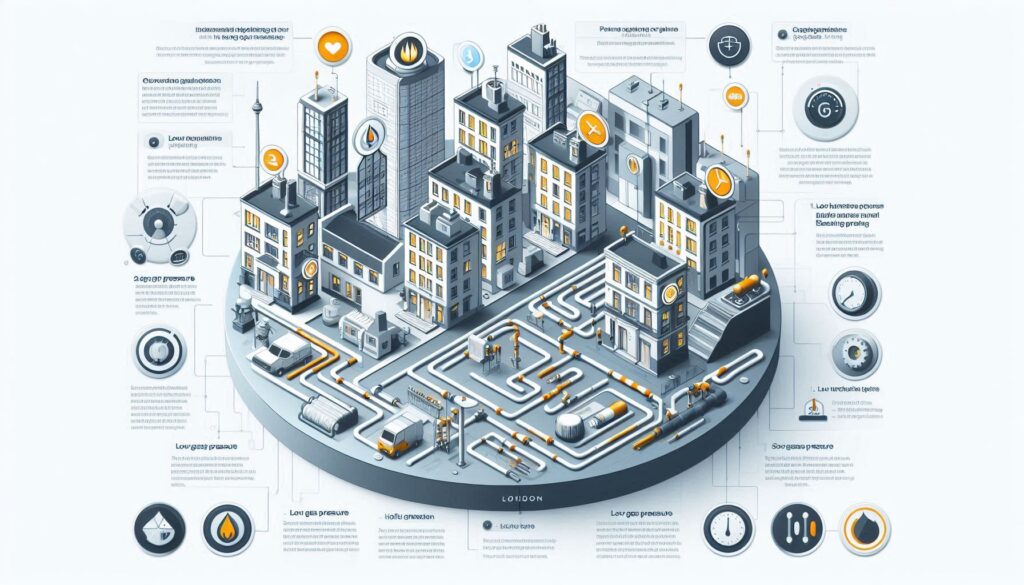
In London, properties often share gas supply lines, especially in flats and converted buildings. Because of this, low gas pressure can affect multiple homes at once. Therefore, recognising early signs and applying proper property heating troubleshooting helps prevent discomfort and costly repairs.
Moreover, pressure issues may also lead to safety hazards if left unresolved, making awareness essential for every London homeowner and landlord.
Common Signs of Gas Pressure Problems at Home
Gas pressure problems rarely appear suddenly. Instead, they develop gradually, giving homeowners time to notice warning signs—if they know what to look for.
One of the most common indicators of low gas pressure is weak performance across multiple appliances. For example, your boiler may struggle to heat water, or your gas hob may produce smaller flames. Meanwhile, property heating troubleshooting allows you to identify whether the issue affects one appliance or the entire system.
In London homes, especially older ones, these signs often appear during colder months when demand increases. Therefore, early detection can prevent breakdowns during peak winter periods.
Weak Boiler Performance and Inconsistent Heating
When gas pressure drops, boilers often show the first signs of trouble. You may notice radiators taking longer to warm up or rooms failing to reach set temperatures.
This happens because low gas pressure restricts fuel flow, forcing the boiler to work harder. As a result, efficiency drops and wear increases. Through careful property heating troubleshooting, you can determine whether the issue comes from the boiler itself or from a broader supply problem affecting your London property.
Ignoring these symptoms can shorten boiler lifespan and increase energy bills significantly.
Gas Cooker Flames That Burn Low or Unevenly
Another clear indicator involves your cooker. Healthy gas flames should burn strong and blue. If flames appear weak, flicker, or struggle to stay lit, gas flow may be insufficient.
In many London kitchens, residents mistake this for appliance failure. However, low gas pressure often causes the issue, especially when multiple burners show the same behaviour. By applying basic property heating troubleshooting, homeowners can confirm whether the issue affects other gas appliances as well.
This approach prevents unnecessary appliance replacements and ensures correct diagnosis.
Strange Noises from Boilers or Pipework
Gas pressure issues can also create unusual sounds. Whistling, banging, or humming noises from boilers or pipes often indicate restricted gas flow.
In densely built London properties, shared pipework can amplify these sounds. When pressure drops, gas struggles to move efficiently through the system. As a result, applying property heating troubleshooting early helps avoid pipe damage or complete system failure.
These noises should never be ignored, especially if they appear alongside other signs of low gas pressure.
Pilot Light Problems and Frequent Shutdowns
Older boilers and cookers often rely on pilot lights. When pressure drops, these lights may extinguish frequently or fail to stay lit at all.
This symptom frequently frustrates London homeowners, especially during colder months. However, instead of repeatedly relighting the pilot, it’s smarter to investigate low gas pressure using structured property heating troubleshooting.
Addressing the cause prevents recurring shutdowns and improves appliance reliability.
Why Low Gas Pressure Happens in London Homes
Understanding the cause helps determine the right solution. In London, gas pressure issues occur for several reasons, many of which relate to infrastructure and property design.
Aging pipework is a major factor. Many London homes still rely on older gas lines that struggle to meet modern demand. Over time, corrosion or internal buildup reduces flow, leading to low gas pressure. Property heating troubleshooting often reveals this issue during professional inspections.
Additionally, high demand during winter can temporarily reduce pressure across neighbourhoods, especially in densely populated areas.
Shared Supply Lines in Flats and Converted Buildings
Flats and converted houses often share gas supply lines. When multiple residents use gas simultaneously, pressure can drop noticeably.
In such cases, low gas pressure affects entire buildings rather than individual units. Therefore, property heating troubleshooting should involve building management or freeholders when multiple residents experience similar issues.
This coordinated approach ensures faster resolution and prevents repeated complaints.
Blocked or Damaged Gas Pipes
Blockages inside gas pipes can also restrict flow. Dirt, debris, or corrosion may partially block pipes, reducing pressure gradually over time.
In London’s older housing stock, this issue appears frequently. During property heating troubleshooting, Gas Safe engineers inspect pipework thoroughly to identify restrictions.
Fixing these problems early prevents sudden system failures and improves long-term reliability.
Faulty Gas Regulators and Meters
Gas regulators control pressure entering your property. If a regulator fails, appliances receive either too little or inconsistent gas flow.
This situation often leads to low gas pressure symptoms throughout the home. Proper property heating troubleshooting includes checking regulators and meters, especially when pressure issues appear suddenly without warning.
In London, engineers must coordinate with gas suppliers to repair or replace faulty equipment safely.
How Gas Pressure Issues Affect Energy Bills
Low pressure doesn’t just affect comfort—it also impacts costs. When appliances receive insufficient gas, they operate inefficiently, consuming more energy to achieve the same results.
As a result, London homeowners often notice rising bills despite reduced heating performance. Through accurate property heating troubleshooting, identifying low gas pressure early helps restore efficiency and control energy costs.
Addressing pressure issues often leads to immediate improvements in both comfort and monthly expenses.
Safety Risks Linked to Gas Pressure Problems
While low pressure may seem harmless, it can increase safety risks. Incomplete combustion caused by insufficient gas flow may lead to carbon monoxide production.
In tightly sealed London homes, this gas can build up quickly. Therefore, recognising low gas pressure signs and acting promptly protects both health and property. Property heating troubleshooting ensures systems operate within safe parameters and comply with regulations.
Installing carbon monoxide alarms provides additional protection but never replaces proper maintenance.
What to Do When You Suspect Gas Pressure Issues
When symptoms appear, acting quickly matters. However, safety must always come first.
Start by checking whether multiple appliances show similar issues. If so, low gas pressure likely affects the entire system. At this point, avoid DIY fixes. Instead, begin formal property heating troubleshooting by contacting a Gas Safe registered engineer.
In London, only certified professionals may legally inspect and repair gas systems. This protects homeowners from legal issues and ensures safe resolution.
Professional Solutions for Restoring Proper Gas Pressure
Professional solutions depend on the underlying cause. Engineers may clean or replace blocked pipes, adjust regulators, or recommend upgrades.
In some cases, improving pipe diameter increases flow capacity. This solution often benefits larger London homes or properties with high gas demand. Through expert property heating troubleshooting, engineers tailor solutions to each property’s structure and usage patterns.
Long-term fixes always prioritise safety, efficiency, and compliance.
Preventing Future Gas Pressure Problems
Prevention saves money and stress. Regular servicing plays a key role in maintaining stable pressure.
Annual inspections help identify early signs of low gas pressure before they escalate. During routine property heating troubleshooting, engineers assess pipe condition, appliance performance, and regulator function.
London landlords, in particular, should schedule regular checks to meet legal obligations and protect tenants.
Why London Homes Require Extra Attention
London’s diverse property types create unique challenges. From Victorian terraces to modern flats, gas systems vary widely in age and design.
Additionally, population density increases demand and strain on shared infrastructure. Therefore, London residents benefit greatly from proactive property heating troubleshooting and awareness of low gas pressure symptoms.
Staying informed helps homeowners respond quickly and maintain safe, efficient heating systems year-round.
Conclusion
Gas pressure issues affect comfort, safety, and energy efficiency in London homes. While symptoms may start subtly, ignoring them often leads to costly repairs and potential risks. Recognising low gas pressure early and applying structured property heating troubleshooting ensures timely and effective solutions.
By acting quickly, relying on certified professionals, and scheduling regular inspections, London homeowners and landlords can maintain reliable heating systems and peace of mind. Ultimately, understanding gas pressure issues empowers you to protect your home, your budget, and everyone inside.
Questions
let you know
Frequently Asked Questions
What are the most common signs of low gas pressure in London homes?
Low gas pressure often causes weak boiler performance, slow heating, small cooker flames, and frequent system shutdowns. Proper property heating troubleshooting helps identify these signs early.
Can low gas pressure affect multiple properties in London flats?
Yes, shared supply lines in London flats can cause low gas pressure across several homes. In these cases, coordinated property heating troubleshooting is essential.
Is low gas pressure dangerous?
Low gas pressure can lead to incomplete combustion and carbon monoxide risks. Professional property heating troubleshooting ensures safety and compliance with London regulations.
Should I attempt to fix low gas pressure myself?
No. UK law requires Gas Safe engineers to handle gas issues. Certified property heating troubleshooting prevents accidents and legal issues.
How often should London landlords check gas pressure?
Annual inspections are recommended. Regular property heating troubleshooting helps landlords detect low gas pressure before it affects tenants.