Our engineers are all over London, so we are never too far away.
E-mail us:info@landlordsafetycertificates.london 24 Hour Emergency Service - 7 Days a Week
London’s rental market is experiencing a significant shift in 2025 with stricter safety regulations taking effect. These updates are not just routine changes—they reshape how landlords manage their properties. With rental safety law updates and landlord UK changes now in force, property owners in London must act quickly to ensure compliance. Failing to adapt could result in hefty fines, legal action, or even losing the right to rent out properties.
Why Rental Safety Law Updates Matter in 2025
The 2025 rental safety law updates are more than just legal formalities. They’re about making rental housing safer, more energy-efficient, and better suited to the needs of tenants in London. For landlords, these changes represent both challenges and opportunities. While compliance may involve higher costs, it also builds trust with tenants and increases property value. Landlord UK changes push property owners to modernize, ensuring rental homes meet today’s safety standards.
Overview of Landlord UK Changes in London
London’s property landscape is unique, with its mix of historic Victorian houses, high-rise flats, and newly built apartments. That’s why landlord UK changes in 2025 apply differently here than in other parts of the country. These reforms focus on higher safety standards, regular inspections, and stricter penalties for landlords who ignore the rules. Rental safety law updates in London aim to protect tenants in one of the most competitive rental markets in the world.
Gas Safety Requirements and 2025 Reforms
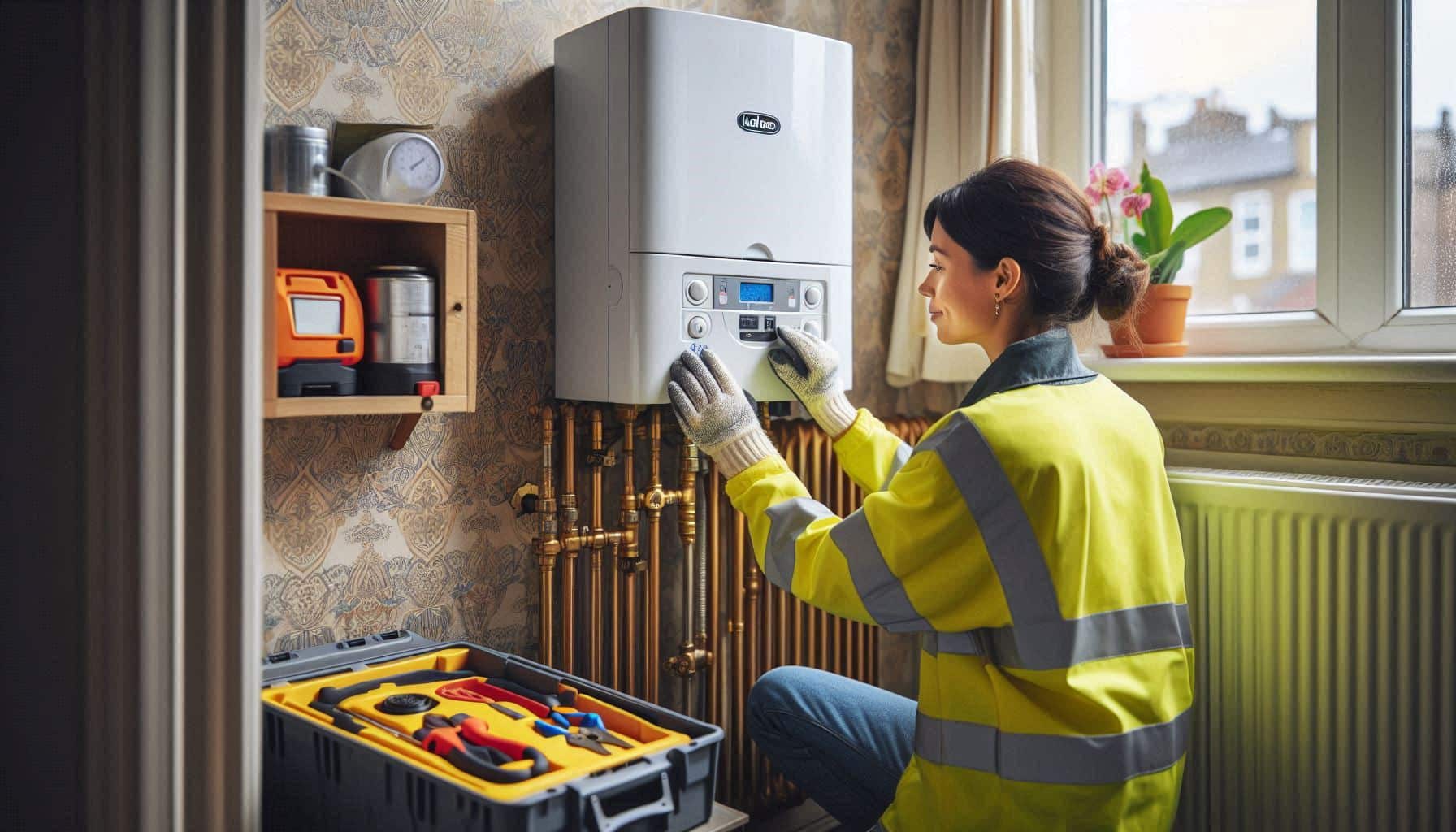
Gas safety remains one of the biggest areas of concern. Under the 2025 rental safety law updates, landlords must provide tenants with digital copies of Gas Safety Certificates within 24 hours of inspection. Annual gas checks remain mandatory, but the emphasis on faster reporting reflects London’s push for transparency. These landlord UK changes also introduce stricter record-keeping, ensuring landlords can prove compliance at any time. For tenants, these updates mean safer living spaces and fewer risks of carbon monoxide poisoning.
Electrical Safety Standards under New Regulations
Electrical safety is another cornerstone of the 2025 reforms. Previously, landlords were required to carry out electrical inspections every five years. Now, rental safety law updates demand checks every three years in London. This reflects growing concerns about aging electrical systems in older homes. Landlord UK changespush property owners to act faster, replacing unsafe wiring before it becomes a hazard. For tenants, this means reduced risks of fires and accidents caused by faulty electrics.
Fire Safety: London’s Updated Laws for Landlords
Fire safety is at the heart of London’s 2025 reforms. The rental safety law updates require working smoke alarms on every floor of a rental property. In addition, landlords must conduct fire risk assessments in houses of multiple occupation (HMOs) and high-rise buildings. Landlord UK changes also emphasize better communication—landlords must inform tenants of evacuation procedures and keep communal areas clear of hazards. These reforms aim to prevent tragedies like those seen in the past in London.
Carbon Monoxide Alarm Rules in Rental Homes
Carbon monoxide poisoning has long been a hidden danger. The new rental safety law updates expand the requirement for carbon monoxide alarms. Landlords must now install alarms in every room with a fuel-burning appliance, from boilers to fireplaces. These landlord UK changes cover all types of rental homes in London, from shared flats to luxury apartments. This step gives tenants stronger protection against one of the most dangerous yet silent risks.
Building and Structural Safety Obligations
The Grenfell Tower tragedy reshaped how London views building safety. In 2025, rental safety law updates make it mandatory for landlords of high-rises and multi-unit buildings to commission structural safety reports every five years. Landlord UK changes also require evidence that cladding, insulation, and fireproofing meet modern safety standards. These reforms are designed to restore trust in London’s high-rise housing market while ensuring tenants’ lives are never put at risk again.
Energy Efficiency Standards: EPC Ratings in 2025
Energy efficiency is no longer optional—it’s law. By 2025, all rental properties in London must achieve at least an EPC rating of C. Rental safety law updates link tenant comfort directly to property standards, ensuring homes are warmer and cheaper to run. Landlord UK changes mean many property owners will need to invest in insulation, modern heating systems, and greener technologies. Although compliance may seem costly, long-term benefits include higher property value and reduced tenant turnover.
Tenant Rights Strengthened by Rental Safety Law Updates
Tenants in London gain stronger rights under the 2025 reforms. Rental safety law updates require landlords to respond to safety-related complaints within 14 days. If they fail to act, local councils can step in. These landlord UK changes ensure tenants no longer suffer in silence. Instead, they have clear avenues for addressing unsafe living conditions. For landlords, this means quicker response times and more accountability.
Penalties and Legal Consequences for Non-Compliance
Non-compliance is costly. Rental safety law updates empower councils to issue fines of up to £30,000 for violations. Landlord UK changes also introduce the possibility of losing a rental license altogether. In London, where rental demand is high, such penalties can devastate a landlord’s business. Case studies already show fines being issued for missing certificates or faulty alarms, proving the government’s willingness to enforce the law.
How London Landlords Can Adapt to 2025 Changes
Adapting to rental safety law updates requires a proactive mindset. Staying compliant isn’t only about avoiding fines; it’s about full property compliance, which ensures both tenant safety and long-term rental success in London. Landlords should schedule inspections early, maintain detailed records, and hire accredited professionals for repairs. Landlord UK changes also encourage landlords to attend safety training courses and stay updated with council guidance. By taking these steps, London landlords not only avoid penalties but also gain a competitive advantage in attracting tenants.
Role of Property Managers in Ensuring Compliance
For landlords managing multiple properties, compliance can feel overwhelming. That’s where property managers come in. These professionals handle day-to-day responsibilities like scheduling inspections, ensuring certificates are valid, and keeping track of maintenance. Rental safety law updates highlight the importance of property managers as trusted partners. Landlord UK changes make their role even more valuable in a city like London, where regulations evolve quickly.
Financial Impact of Landlord UK Changes in 2025
Compliance comes at a cost. Rental safety law updates require investment in alarms, electrical upgrades, fire assessments, and energy efficiency improvements. For landlords in London, where properties are often older, these costs can add up quickly. However, landlord UK changes also create opportunities—improved safety and energy efficiency can justify higher rents and attract long-term tenants. Smart landlords view these expenses as investments in their property’s future value.
Future Outlook: What’s Next for Rental Safety Law
Looking beyond 2025, rental safety law updates are expected to become even stricter. Talks of annual inspections, smart monitoring devices, and higher energy standards are already underway. Landlord UK changes will likely continue pushing property owners toward modern, sustainable practices. For London landlords, staying ahead of the curve will be key to success in a highly competitive market.
Conclusion
London’s rental market in 2025 is shaped by stronger, clearer, and more demanding safety regulations. From gas checks to fire alarms, structural assessments to energy efficiency, the rental safety law updates cover every corner of tenant safety. Landlord UK changes may feel overwhelming at first, but proactive landlords will see them as opportunities to improve property value, tenant satisfaction, and long-term success. In a city like London, safety isn’t just about compliance—it’s about responsibility.
Questions
let you know
Frequently Asked Questions
What are the key rental safety law updates in 2025?
They include stricter gas and electrical inspections, mandatory carbon monoxide alarms in more rooms, and higher EPC rating requirements for rental properties.
How do landlord UK changes affect property owners in London?
They require landlords to take on greater responsibility, provide faster responses to tenant issues, and make costly but necessary upgrades for compliance.
What penalties do landlords face if they ignore safety rules?
Landlords can be fined up to £30,000, lose their rental licenses, or even face legal action in severe cases.
How do the new laws benefit tenants?
Tenants gain safer, more energy-efficient homes, stronger rights to demand repairs, and greater protection from unsafe living conditions.
Will there be more landlord UK changes after 2025?
Yes, future updates are expected to focus on sustainability, smart safety monitoring, and stricter structural standards in London.