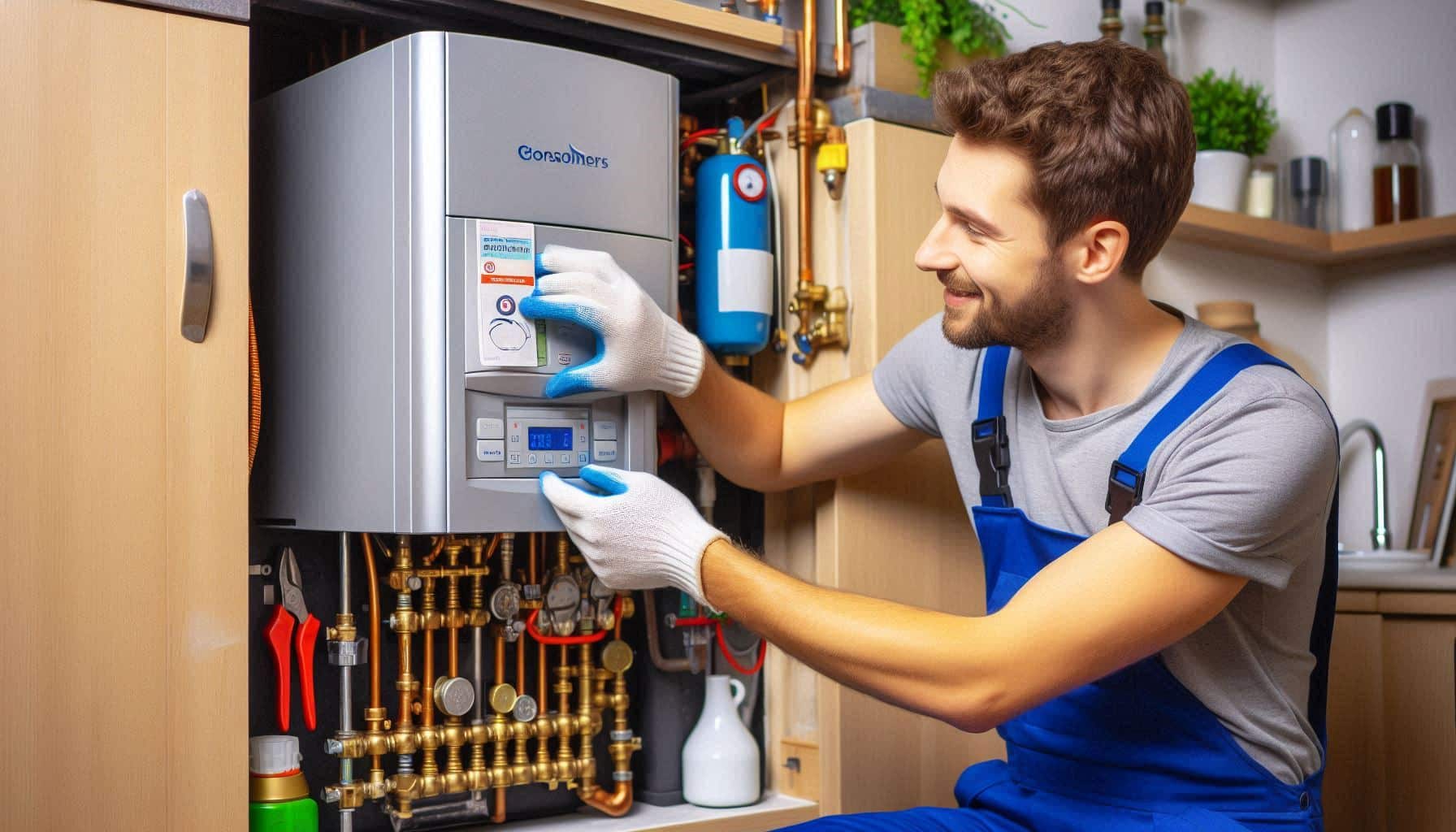
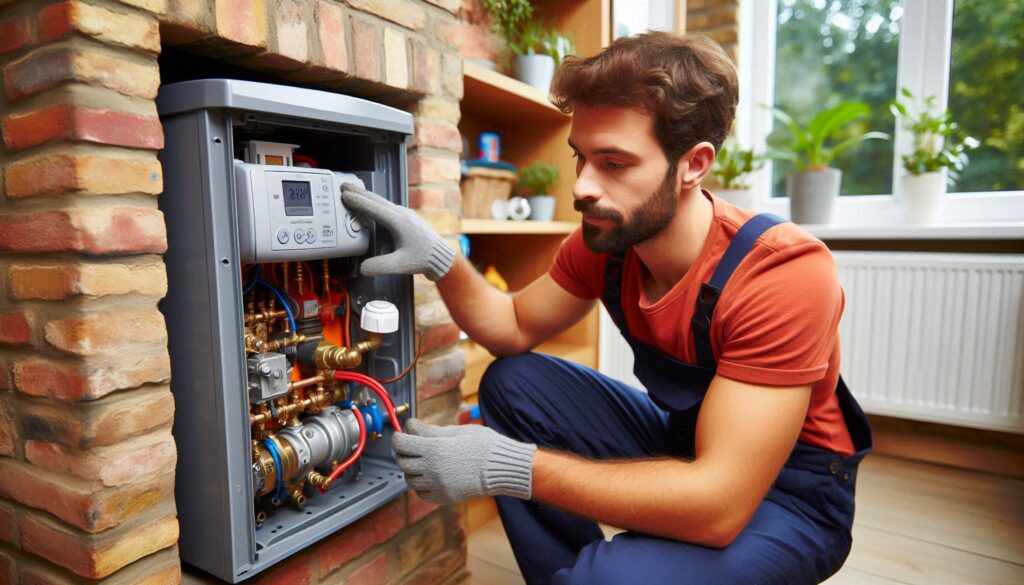
Our engineers are all over London, so we are never too far away.
E-mail us:info@landlordsafetycertificates.london 24 Hour Emergency Service - 7 Days a Week
Introduction: Why Regular Servicing Matters in London Rentals
In London’s competitive rental market, safe and efficient gas systems are essential. Faulty boilers or heaters waste energy and increase safety risks. Regular gas appliance maintenance keeps systems efficient, prevents carbon monoxide leaks, and ensures compliance with UK regulations. For landlords, following the correct landlord service timeline isn’t optional—it’s a legal duty that protects tenants and property value. Whether managing a single flat or multiple homes across London, understanding how often to service appliances supports both safety and reliability. This guide outlines the best servicing schedule and practical steps to stay compliant.
1. Understanding Gas Appliance Maintenance
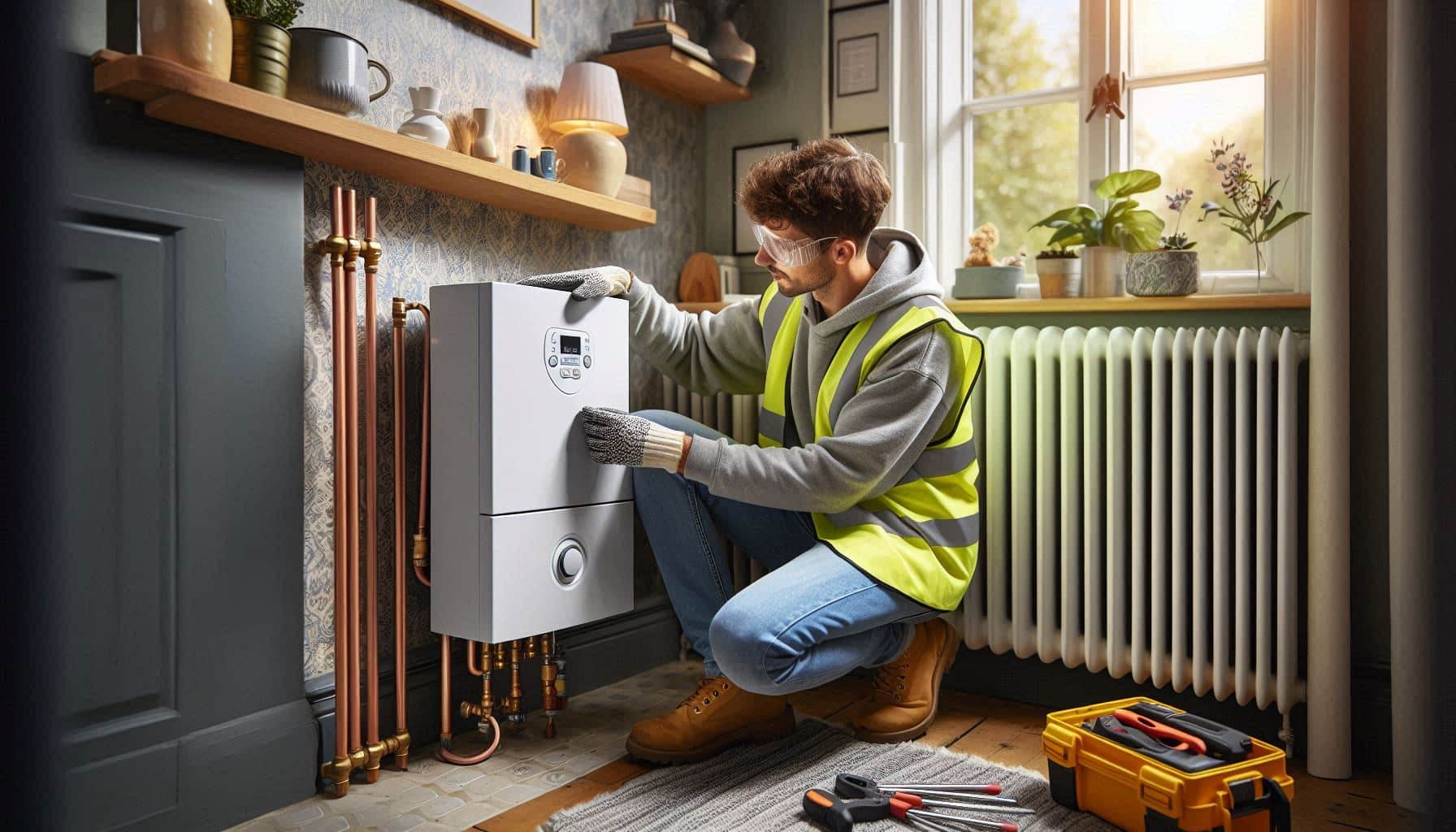
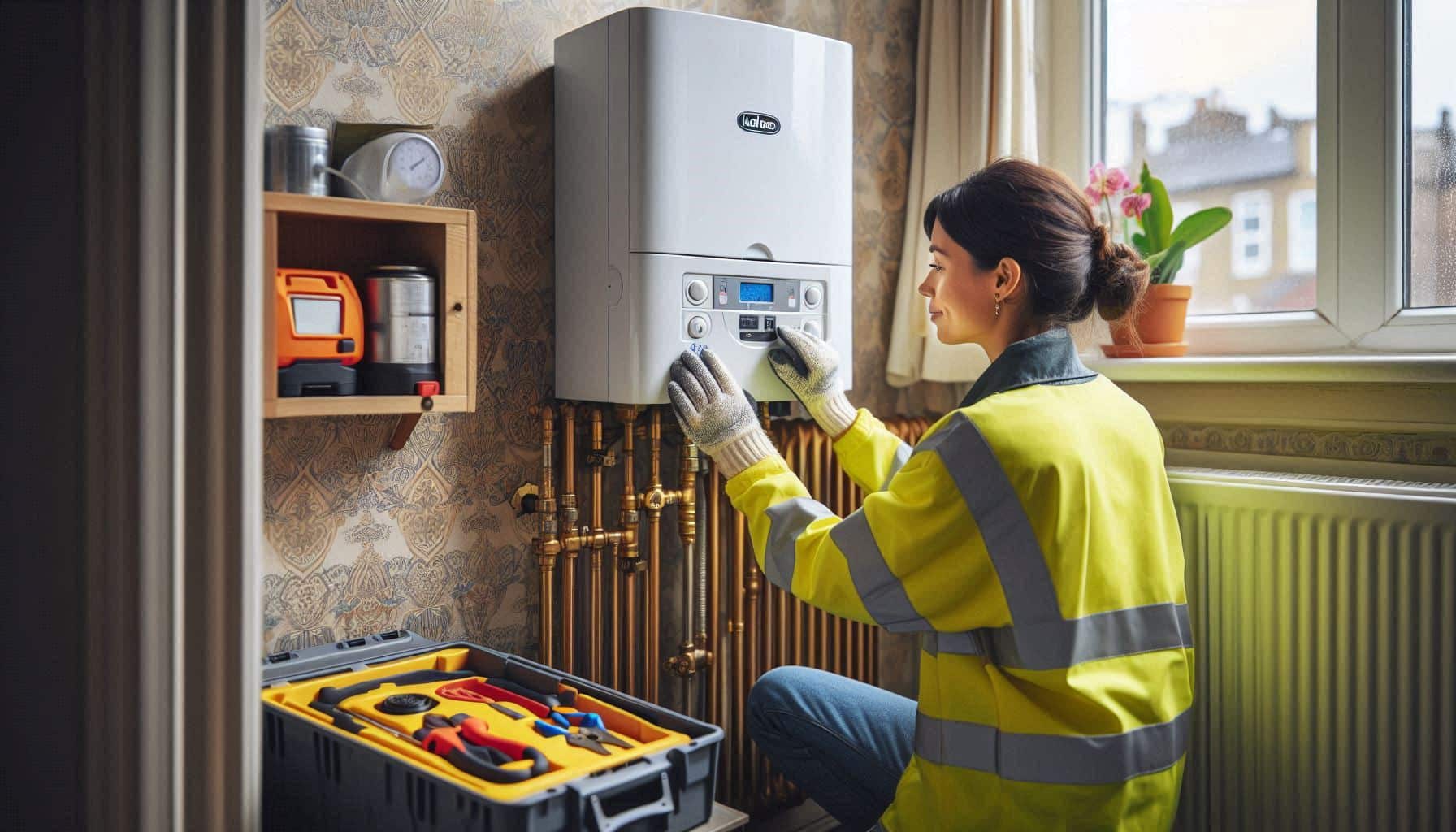
Gas appliance maintenance involves the inspection, cleaning, and adjustment of boilers, cookers, and other gas-powered systems. These checks, done by Gas Safe registered engineers, ensure safe and efficient operation.
In older London homes, outdated systems face more wear, making regular servicing essential. It reduces energy waste, prevents breakdowns, and lowers emissions. Neglecting these checks can lead to inefficiency and serious safety hazards. That’s why landlords should schedule annual servicing as part of their property management routine.
2. The Landlord Service Timeline Explained
The landlord service timeline defines how often landlords must complete safety checks. UK law requires a gas safety inspection every 12 months, a valid certificate kept for two years, and a copy provided to tenants within 28 days.
In London’s fast-moving rental market, staying on schedule helps landlords avoid fines and maintain trust. Beyond yearly inspections, additional gas appliance maintenance is wise for HMOs or older buildings with heavy appliance use. A mid-year check can prevent faults and reduce repair costs.
3. Why Annual Servicing Is Essential
Annual gas appliance maintenance detects small issues before they become major risks. Engineers inspect ventilation, gas pressure, and safety controls to ensure every appliance performs safely.
In London, where boilers work hard through long winters, annual servicing is vital to prevent breakdowns and keep heating efficient. Sticking to the landlord service timeline guarantees all checks are completed on time and keeps warranties valid. Consistent servicing also reduces emergency callouts and ensures tenant comfort year-round.
4. How Often Different Appliances Should Be Serviced
While annual inspections are the minimum requirement, the frequency of gas appliance maintenance can vary depending on the type of appliance and its usage.
Appliance
Recommended Service Frequency
Notes
Gas Boiler
Every 12 months
Most critical appliance; should be serviced before winter.
Frequent maintenance ensures steady hot water supply.
In London rentals with multiple tenants, appliances tend to be used more intensively. Therefore, aligning the landlord service timeline with tenancy turnover or seasonal usage makes maintenance more effective.
5. The Risks of Skipping Maintenance
Ignoring gas appliance maintenance poses both safety and financial risks. Faulty systems can leak carbon monoxide—a colourless, odourless gas that can cause severe illness or death. According to UK safety reports, many carbon monoxide incidents occur in rental properties where servicing was overdue.
Beyond the human risks, landlords who neglect the landlord service timeline face legal and financial penalties. Councils in London have the authority to issue fines up to £30,000 for failing to comply with gas safety laws. Insurance companies may also refuse claims if negligence is proven after a gas-related accident.
Moreover, inefficient appliances consume more energy, increasing tenants’ bills and harming your reputation as a responsible landlord.
6. Benefits of Consistent Gas Appliance Maintenance
Consistent gas appliance maintenance delivers multiple advantages for London landlords and tenants alike:
Enhanced Safety: Detecting leaks or faulty components early prevents dangerous situations.
Tenant Satisfaction: Reliable heating and hot water keep tenants comfortable and happy.
Compliance Assurance: Following the landlord service timeline ensures you meet all legal and insurance obligations.
With London’s rental market becoming increasingly competitive, well-maintained gas systems can even make your property more attractive to potential tenants.
7. Best Practices for Landlords in London
To stay compliant and maintain efficiency, London landlords should adopt a proactive approach to gas appliance maintenance. Here are a few best practices:
Keep a Servicing Log: Record every inspection date and engineer details to track your landlord service timeline.
Hire Gas Safe Engineers Only: Always verify the engineer’s registration number on the Gas Safe Register website.
Service Before Winter: London’s colder months put heavy demand on boilers—schedule maintenance in autumn.
Communicate with Tenants: Educate tenants about safe appliance use and reporting issues early.
Bundle Safety Checks: Combine gas inspections with electrical and fire safety checks for efficiency.
Taking these steps not only ensures compliance but also builds a reputation for reliability among tenants and local authorities.
8. How Tenants Can Support Safe Maintenance
While landlords are responsible for arranging inspections, tenants also play a vital role in gas appliance maintenance. They should report unusual noises, smells, or heating inconsistencies immediately. Tenants should never attempt DIY repairs or block ventilation grills, as doing so can compromise safety.
By cooperating with landlords and respecting the landlord service timeline, tenants help maintain a safe living environment and reduce the risk of disruptions during winter months.
9. What to Expect During a Professional Service
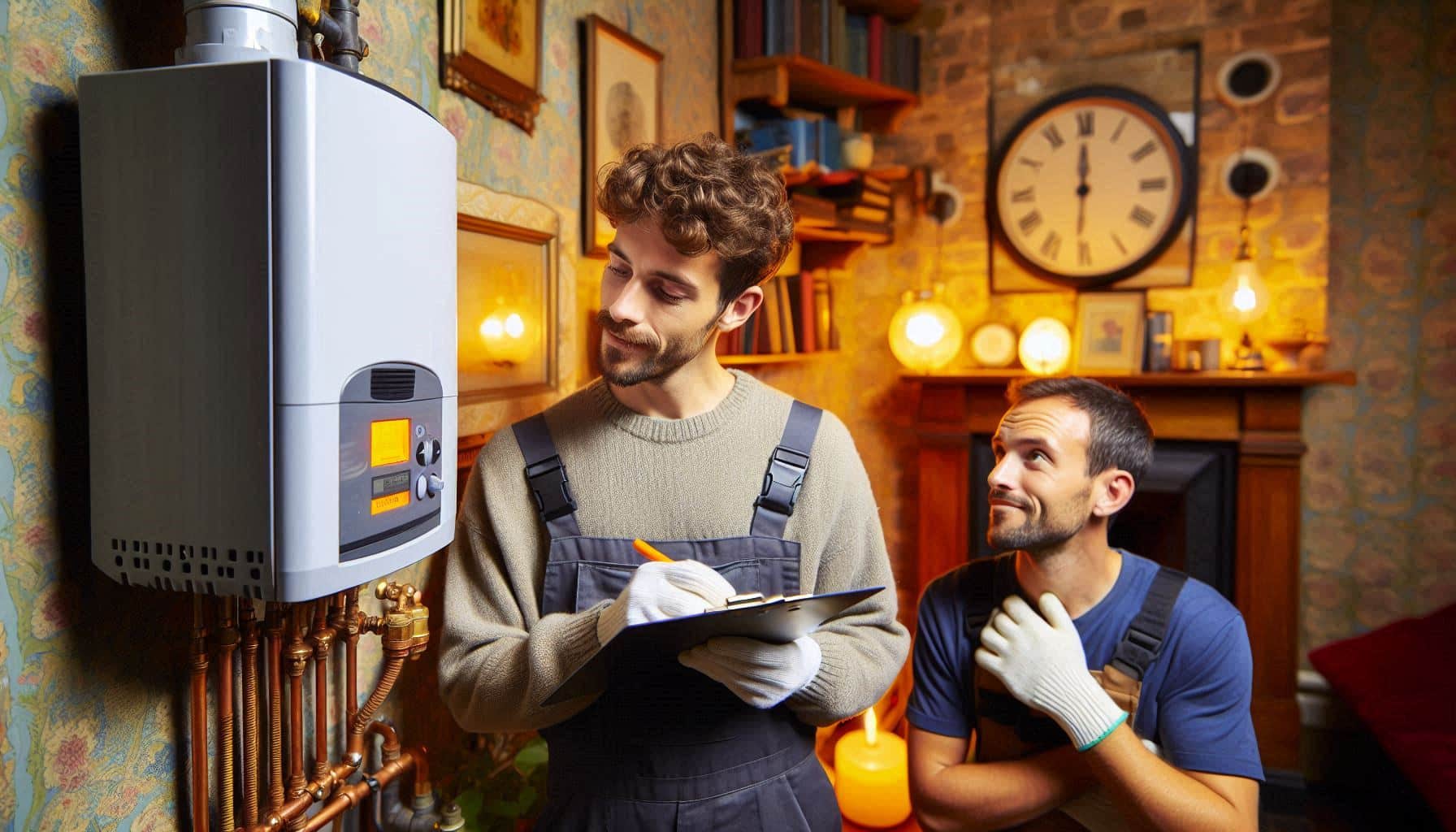
A professional gas appliance maintenance visit typically lasts between 30 to 90 minutes, depending on the number of appliances. The engineer will inspect each unit for gas leaks, test pressure levels, clean internal components, and confirm that safety devices function properly.
At the end of the inspection, you’ll receive a Gas Safety Certificate (CP12), which records compliance under the landlord service timeline. Keeping this document readily available helps with insurance claims, tenant communication, and future maintenance scheduling.
10. The Future of Gas Safety in London
As London moves toward greener energy solutions, gas appliance maintenance will continue to evolve. Newer systems use advanced sensors and smart meters to monitor performance in real-time, helping landlords anticipate service needs.
Still, traditional servicing remains vital. Adhering to the landlord service timeline ensures older systems remain safe until cleaner energy options become standard. With growing emphasis on sustainability, regular maintenance supports both environmental and safety goals in London’s rental sector.
Conclusion: Safety, Compliance, and Peace of Mind
Regular gas appliance maintenance is the foundation of safe and efficient rental properties in London. By following the correct landlord service timeline, landlords not only comply with UK regulations but also build trust with tenants and protect their investments.
In a city where property standards continue to rise, maintaining reliable gas systems is essential. Annual servicing, professional inspections, and proactive upgrades are simple yet powerful steps toward creating a safer, more sustainable rental environment.
By staying vigilant and consistent, both landlords and tenants contribute to a London where every home remains warm, efficient, and secure.
Questions
let you know
Frequently Asked Questions
How often should gas appliances be serviced in London rentals?
Gas appliances should undergo gas appliance maintenance at least once every 12 months. This ensures safety, efficiency, and legal compliance for London landlords.
What does the landlord service timeline require?
The landlord service timeline mandates a yearly gas safety inspection by a Gas Safe engineer, along with certification and tenant notification within 28 days.
Who can perform gas appliance maintenance in London?
Only Gas Safe registered engineers can legally carry out gas appliance maintenance to ensure all systems meet UK safety and performance standards.
What happens if a landlord misses the service deadline?
Missing the landlord service timeline can result in fines, legal action, and invalidated insurance policies, especially in London’s regulated rental market.
Why is regular gas appliance maintenance important for landlords?
Consistent gas appliance maintenance prevents carbon monoxide leaks, improves energy efficiency, and helps landlords maintain long-term property value.