Our engineers are all over London, so we are never too far away.
E-mail us:info@landlordsafetycertificates.london 24 Hour Emergency Service - 7 Days a Week
Introduction: The Hidden Danger in London’s Rental Homes
Extension cords may appear harmless, but they’re among the leading causes of household fires in the UK. In London, where many rental properties are older and compact, tenants often use multiple devices in limited spaces. However, these cords can easily become overloaded, damaged, or misused — all of which increase fire risks. Recognising extension cord hazards and managing them correctly is essential for landlords and tenants alike. With London’s dense housing and strict safety laws, focusing on electrical overload safety is not just about compliance — it’s about protecting people and property. This guide explains the main dangers of extension cords, how to spot early warning signs, and what landlords and tenants in London can do to stay safe.
1. Understanding Extension Cord Hazards
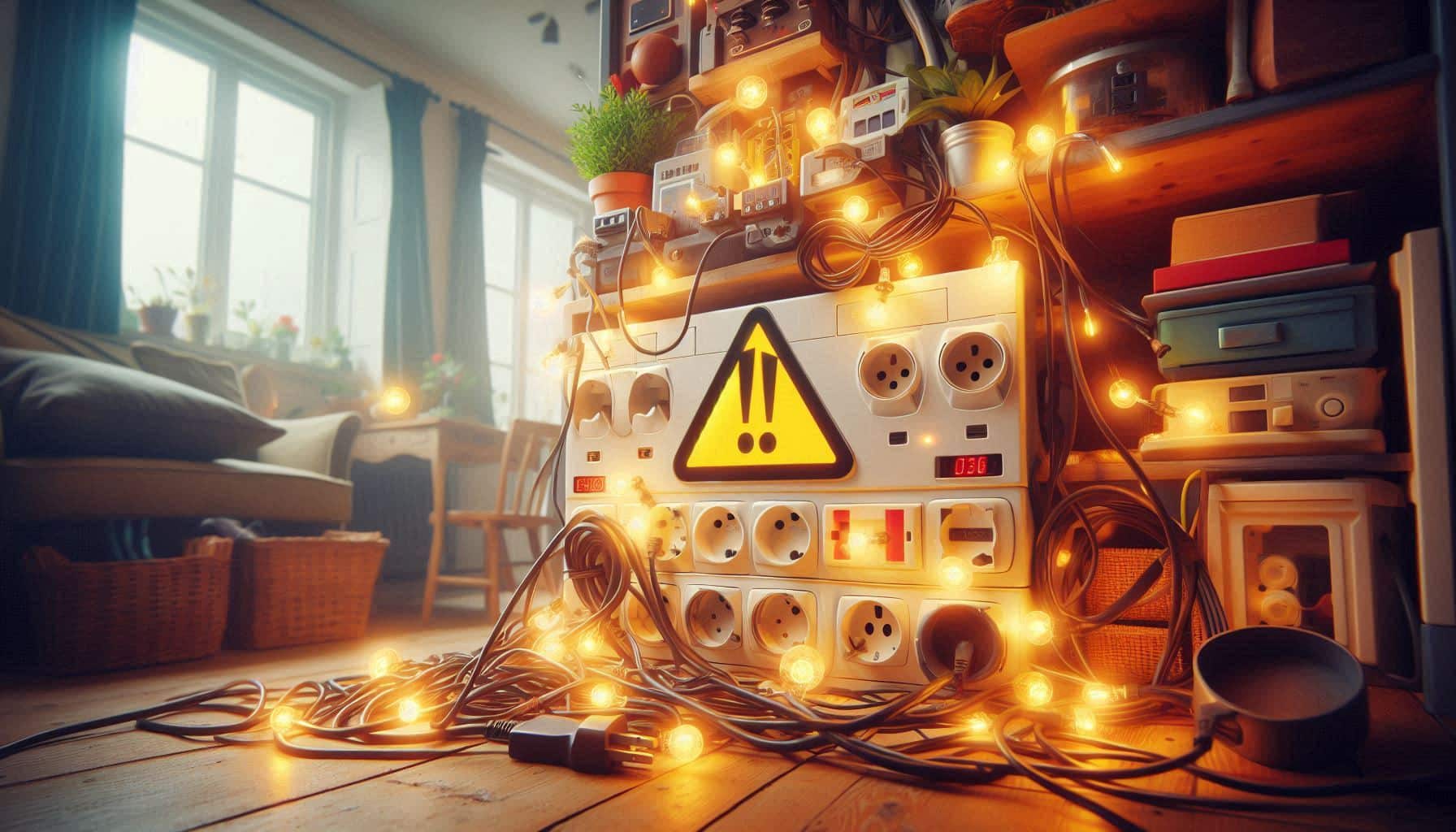
Many London rental flats don’t have enough wall outlets for today’s appliances. As a result, tenants often rely on extension cords for convenience. Unfortunately, overusing them quickly leads to extension cord hazards that threaten both safety and property.
When a cord carries more current than it’s rated for, it overheats. This can melt insulation, spark fires, or damage appliances. The risk grows when cords run under carpets or furniture — a common habit in small London homes that traps heat.
What starts as a quick fix can soon become a serious fire hazard. That’s why landlords and tenants must follow electrical overload safety practices and avoid using extension cords as permanent wiring solutions.
2. Common Causes of Extension Cord Hazards
Preventing fires starts with understanding what causes extension cord hazards in London rentals. Many older buildings have outdated wiring that can’t handle modern electricity demands, pushing residents to rely heavily on extension cords.
Common causes include:
Overloaded power strips: Plugging in several high-wattage devices like kettles or heaters exceeds safe limits.
Low-quality cords: Cheap, uncertified leads are prone to overheating and failure.
Improper use: Coiling or hiding cords under carpets traps heat.
Wear and tear: Damaged insulation or exposed wires create spark risks.
Wrong adapters: Using travel or multi-plug adapters without checking voltage causes overloads.
Each of these contributes to electrical overload safety issues that landlords must take seriously. The mix of overuse, old wiring, and poor maintenance makes London rentals particularly vulnerable to electrical fires.
3. The Science Behind Electrical Overload Safety
Electrical overload safety depends on controlling how much current flows through a wire. Every extension cord has a set current limit, and when that limit is exceeded, the wires heat up faster than they can cool.
In older London homes, where wiring systems often lack RCDs (Residual Current Devices), this can quickly turn dangerous. If an overloaded cord melts, it might ignite carpets or curtains — and in compact flats, fire spreads fast.
To prevent this, landlords should install modern circuit breakers, use properly rated sockets, and ensure regular inspections. By identifying potential extension cord hazards early, they can prevent serious damage before it occurs.
4. Recognising the Warning Signs of Overload
Early detection can stop fires before they start. Both tenants and landlords should stay alert to signs of extension cord hazards, including:
In busy London rentals, where several appliances may run at once, these symptoms can appear quickly. Acting immediately helps maintain electrical overload safety and prevents serious accidents.
5. How Landlords Can Prevent Extension Cord Hazards
Landlords play a key role in reducing extension cord hazards across their properties. UK regulations require them to maintain safe electrical systems and schedule regular inspections.
Use certified products: Only allow BS-approved extension leads.
Upgrade wiring: Replacing outdated systems improves both safety and energy efficiency.
Taking these steps not only keeps tenants safe but also helps landlords meet legal standards and protect their investments.
6. Tenant Responsibilities and Best Practices
While landlords must maintain safe installations, tenants also share responsibility in preventing extension cord hazards. Simple daily habits can make a significant difference.
Tenants should:
Avoid daisy-chaining multiple extension cords or power strips.
Never exceed the wattage limit printed on the cord’s label.
Keep cords uncoiled to prevent heat build-up.
Unplug devices when not in use, especially high-power ones.
Report any signs of damage or overheating immediately.
Practising electrical overload safety means being proactive. In a London flat, where space is limited and power demand is high, even small changes — like switching off unused appliances — can dramatically reduce fire risks.
7. Upgrading Electrical Systems in Older London Properties
Many London rental properties were built long before modern electrical needs. Their outdated wiring systems can’t always handle the load of multiple modern devices. In such cases, extension cord hazards become inevitable unless upgrades are made.
A professional electrician can inspect your property and recommend improvements, such as:
These improvements not only enhance electrical overload safety but also increase property value and appeal to safety-conscious tenants. Landlords who invest in electrical upgrades show responsibility and compliance with UK housing standards.
8. What to Do If You Suspect Overload or Damage
If you notice signs of overheating or suspect a cord may be faulty, act quickly. The first step is to unplug all devices connected to that extension. Then, check for visible damage or frayed insulation.
For landlords, contact a qualified electrician to inspect and confirm whether the problem lies in the cord or the building’s circuit. Never ignore extension cord hazards, as even minor sparks can start fires.
In severe cases — such as burning smells or visible smoke — switch off power from the main fuse board and evacuate the property immediately. Once safe, report the incident and arrange professional repair to restore electrical overload safety.
9. Legal and Insurance Implications for Landlords
In London, landlords must comply with the Electrical Safety Standards in the Private Rented Sector Regulations 2020. Failure to address extension cord hazards or other electrical risks can result in fines of up to £30,000 and potential insurance issues.
Insurers may reject claims for fire damage if investigations reveal that unsafe electrical practices — such as overloaded extension cords — were ignored. Maintaining electrical overload safety isn’t just about protecting property; it’s also about fulfilling legal obligations and preserving coverage.
To stay compliant, landlords should document all inspections, repairs, and tenant communications regarding electrical safety.
10. Creating a Safer, Smarter Rental Environment
Promoting awareness about extension cord hazards benefits everyone involved in London’s rental market. When landlords provide enough outlets, schedule inspections, and communicate safety practices clearly, tenants can enjoy safer homes.
At the same time, tenants who understand electrical overload safety help maintain the property’s long-term integrity. Together, both parties can reduce risks, prevent electrical fires, and ensure full compliance with London’s housing standards.
In a city where old meets new — from Victorian terraces to modern flats — proper electrical management is non-negotiable. Safe practices save lives, protect investments, and keep London’s rental properties running efficiently and responsibly.
Conclusion: Prevent Fires Before They Start
Extension cords are convenient, but they should never replace proper wiring. Recognising extension cord hazards and prioritising electrical overload safety is the first step toward preventing fires and safeguarding London’s homes.
For landlords, regular inspections, tenant education, and proactive upgrades ensure compliance and security. For tenants, smart usage and early reporting prevent accidents.
By working together, both can ensure that London’s rental properties remain not only comfortable and modern — but also safe from preventable electrical dangers.
Questions
let you know
Frequently Asked Questions
Why are extension cord hazards common in London rental properties?
London rentals often have limited wall outlets and older wiring. Tenants rely on multiple cords, increasing the risk of overheating and extension cord hazards that can lead to fires.
How can I improve electrical overload safety in my rental home?
Use certified extension leads, avoid overloading sockets, and ensure regular EICR inspections. Following electrical overload safety guidelines prevents overheating and protects your property.
Can landlords be held responsible for extension cord hazards?
Yes. Landlords in London must ensure electrical systems are safe and inspected regularly. Ignoring extension cord hazards may lead to fines or insurance issues after an accident.
What are the warning signs of electrical overload in London flats?
Flickering lights, hot plugs, or burning smells signal an electrical overload safety issue. If noticed, unplug devices and contact a qualified electrician immediately.
Are extension cords safe for long-term use in rentals?
No. Long-term use increases extension cord hazards, especially when cords are hidden under carpets or overloaded. Always install additional sockets for permanent power needs.