Our engineers are all over London, so we are never too far away.
E-mail us:info@landlordsafetycertificates.london 24 Hour Emergency Service - 7 Days a Week
Modern electrical systems form the backbone of every safe and functional London property. Yet many landlords, homeowners, and tenants still rely on outdated setups that struggle to handle today’s power demands. As technology becomes more advanced and energy use continues to increase, the need for responsible electrical improvements has never been clearer. This is why understanding the timing and importance of a fuse box replacement or an electrical panel update is essential, especially for properties throughout London where older systems are still widely used.
Below, we break down when these upgrades are necessary, why they matter, and how they support property safety, energy efficiency, and long-term reliability.
1. Why Electrical Panel Upgrades Matter in London Homes
Property owners often overlook electrical systems because they’re hidden behind walls and cupboards. However, regularly evaluating your system for a necessary fuse box replacement or a timely electrical panel update is crucial for avoiding hazards. Across London, thousands of flats and houses still operate on outdated fuse boxes unable to support modern appliances safely, which increases the risk of overloads and electrical fires.
Moreover, London’s housing market includes countless Victorian and mid-century buildings. Although these properties are charming, their electrical systems are often decades old. Therefore, upgrading ensures they meet current standards and can safely support high-power devices such as electric ovens, central heating pumps, air conditioning units, and EV chargers. Additionally, modern upgrades reduce the chances of frequent tripping circuits, overheating wires, and inconsistent power supply — issues that cause frustration for both landlords and tenants.
2. When London Properties Typically Need an Upgrade
Understanding the right timing for a fuse box replacement or an electrical panel update helps landlords avoid emergencies. Typically, any electrical system older than 25–30 years warrants inspection. In London, many properties fall into this age range due to the city’s long history and dense housing stock, which means early action is especially important.
Common signs that an upgrade is needed include flickering lights, buzzing noises from the panel, scorch marks, burning smells, warm switches, or frequent breaker trips. Additionally, properties undergoing kitchen renovations, loft conversions, or major appliance installations should plan an upgrade beforehand to support increased electrical load. This proactive approach prevents future disruptions, reduces repair costs, and ensures compliance with UK electrical safety laws. Furthermore, letting agents in London increasingly expect proof of modern electrical systems before marketing a property.
3. How Fuse Box Replacement Improves Safety and Reliability
Safety remains the most critical reason for a fuse box replacement or a professional electrical panel update. In older London homes, outdated fuse boxes use rewirable fuses that can easily overload and fail to shut off power quickly enough during a fault. This delay significantly raises fire risk — a major concern in densely populated areas where Victorian terraces and converted flats are common.
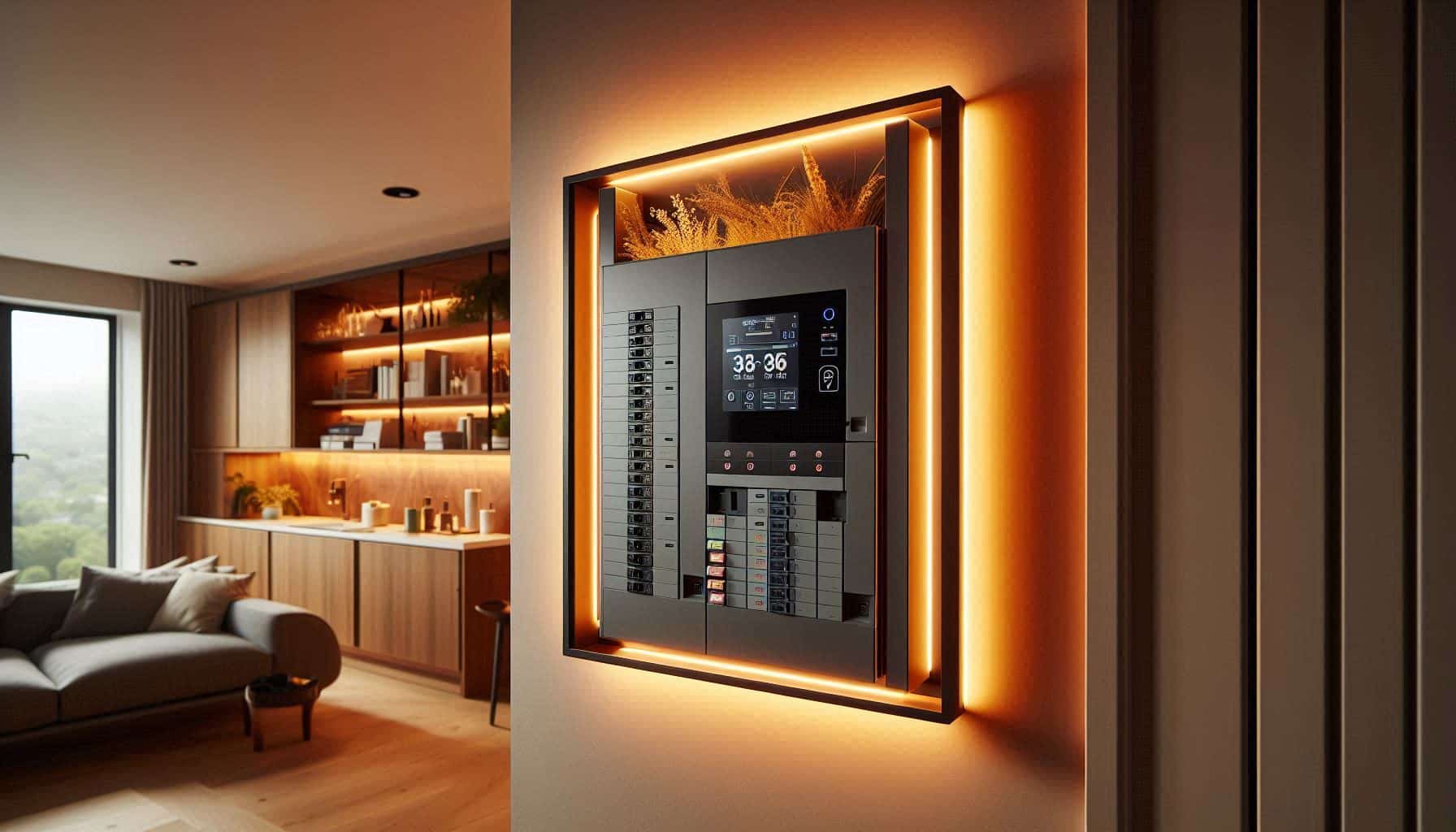
Modern consumer units include RCDs, RCBOs, surge protection, and improved circuit organisation that shut down electricity instantly when they detect danger. These protective features save lives and reduce the chance of electrical damage to expensive appliances. Moreover, insurance companies increasingly expect landlords to maintain upgraded electrical systems, so staying compliant helps avoid expensive claims or policy issues. Additionally, tenants feel safer when they know the electrical system is modern, reliable, and professionally maintained.
4. Benefits of an Electrical Panel Update for Modern Living
As London households adopt more technology, the demand on electrical systems keeps rising. Thus, performing an electrical panel update alongside a scheduled fuse box replacement makes daily living easier and more efficient. Modern panels support additional circuits, meaning properties can safely run appliances like electric cookers, dishwashers, power showers, and EV charging points all at once.
Furthermore, upgrading helps lower energy waste by improving system efficiency and reducing overheating. This is especially useful in rental homes, where tenants expect modern standards and reliable electricity. Additionally, landlords who invest in updated panels often notice fewer maintenance requests, fewer system failures, and longer-lasting appliances. Ultimately, this approach ensures the home is ready for future technology — beneficial in a city continuously evolving toward electrification.
5. Legal Requirements and Compliance for London Landlords
Compliance plays a major role in deciding when to carry out a fuse box replacement or a necessary electrical panel update. London landlords must follow strict guidelines under the Electrical Safety Standards in the Private Rented Sector (England) Regulations 2020. These rules require that all rental properties undergo an EICR (Electrical Installation Condition Report) every five years.
If the EICR identifies major issues — such as outdated fuse boxes, overloaded circuits, or non-compliant wiring — an upgrade becomes mandatory. Therefore, ignoring these requirements can lead to fines of up to £30,000. Additionally, ensuring compliance helps landlords build trust with tenants by demonstrating a commitment to safety and professional property management. London councils take enforcement seriously, so timely upgrades prevent legal complications.
6. Cost Considerations and Long-Term Savings
Many landlords hesitate to perform a fuse box replacement or schedule an electrical panel update due to cost concerns. However, the long-term savings often outweigh the initial investment. Modern systems reduce fire risks, lower energy waste, decrease appliance damage, and minimise repair frequency, which saves money over time.
Furthermore, upgrading electrical infrastructure increases property value and makes the home more attractive to potential tenants. Today’s renters in London prioritise energy efficiency, reliability, and modern amenities, so well-maintained electrical systems significantly enhance rental appeal. Additionally, planned upgrades cost far less than emergency repairs after a major electrical failure — another reason proactive landlords consistently save more.
7. Choosing the Right Electrician for London Properties
Selecting a qualified tradesperson ensures every fuse box replacement or electrical panel update meets strict UK standards. Always hire an electrician registered with NICEIC, NAPIT, or another accredited body, as they understand the safety requirements and can provide the necessary certification.
Additionally, London homes often present unique challenges due to older architecture, tight spaces, and complex wiring systems. Therefore, choosing an electrician experienced with local property styles ensures a smoother installation and more accurate recommendations. A professional also ensures compliance documentation is properly delivered, which landlords must retain for legal protection.
8. Preparing for Future Electrification Trends in London
The future of London energy relies heavily on electrification. The city is moving toward cleaner heating technologies, EV adoption, and smart home systems — all of which require stronger electrical infrastructure. This is why conducting a forward-thinking fuse box replacement or strategic electrical panel update helps future-proof the property.
Furthermore, homeowners may eventually integrate solar panels, battery storage, heat pumps, or electric vehicle charging. Therefore, modernising electrical systems now prevents expensive rewiring later. As London continues its transition to sustainable living, upgraded electrical panels become an essential component of long-term planning.
Conclusion
Electrical panel upgrades are among the most important improvements for maintaining a safe, efficient, and legally compliant London property. Whether you need a fuse box replacement or a complete electrical panel update, staying proactive helps protect tenants, improve performance, and support future technology. As London evolves, modern electrical systems ensure your property stays reliable, secure, and ready for the years ahead.
Questions
let you know
Frequently Asked Questions
When should I consider a fuse box replacement alongside an electrical panel update in London?
You should consider a fuse box replacement and an electrical panel update when your system shows signs of overload, frequent tripping, buzzing noises, or when your electrical installation is over 25 years old.
How does a fuse box replacement improve safety compared to an electrical panel update alone?
A fuse box replacement upgrades outdated protection devices, while an electrical panel update ensures your full system can handle modern electrical demands safely and efficiently.
Do London landlords legally need a fuse box replacement or an electrical panel update during an EICR?
If an EICR highlights major defects, landlords may be legally required to complete a fuse box replacement or an electrical panel update to meet safety regulations.
How much does a fuse box replacement cost when paired with an electrical panel update in London?
The cost for a fuse box replacement and an electrical panel update in London varies depending on property age, wiring condition, and required upgrades, but it usually ranges from £450 to £1,500.
Can I install smart home devices without a fuse box replacement or an electrical panel update?
Most smart systems require stable electrical capacity, so a fuse box replacement or an electrical panel update is often recommended before adding high-demand technology.