Our engineers are all over London, so we are never too far away.
E-mail us:info@landlordsafetycertificates.london 24 Hour Emergency Service - 7 Days a Week
Introduction: Understanding Electrical Overload in London Homes
In modern London homes, electricity powers everything from lighting and heating to entertainment and appliances. But as households rely on more electronics, the risk of overload rises. Recognising a circuit overload warning early helps prevent tripped breakers, blown fuses, or even fires. Every homeowner and landlord should prioritise proper maintenance and awareness. Many London properties, especially older ones, were never designed for today’s energy demands. Overloaded circuits reduce efficiency, increase risks, and damage systems. This guide highlights key warning signs and explains effective electrical safety fixes to protect your home.
What Is an Electrical Overload?
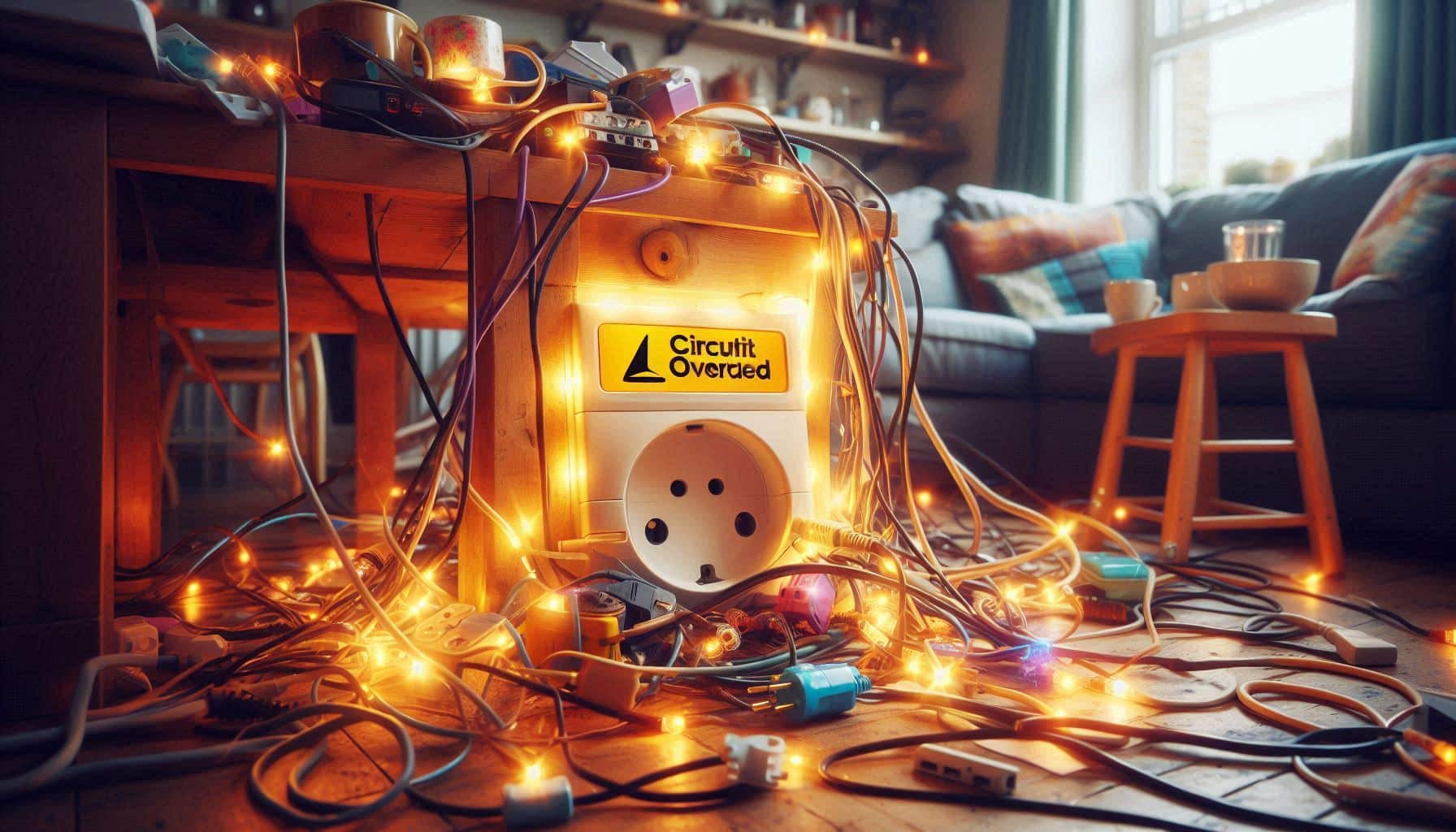
An electrical overload occurs when a circuit carries more current than it is designed to handle. Each circuit in your home has a specific capacity—measured in amperes (amps)—and exceeding this limit causes overheating. When this happens, your circuit breaker trips or your fuse blows as a safety measure.
In London homes, especially those with older wiring, this issue is common when multiple high-power devices run simultaneously. For example, using a washing machine, electric kettle, and microwave on the same line can easily trigger a circuit overload warning. Recognising this signal early is key to preventing long-term damage and ensuring safe operation of your electrical system.
Early Signs You’re Facing a Circuit Overload
Circuit overloads aren’t always obvious, but several signs can help you catch them early:
Frequent Breaker Trips Repeated tripping means your electrical system is overloaded. Treat it as a built-in circuit overload warning and address the issue quickly.
Flickering or Dimming Lights Lights that dim when heavy appliances run suggest your wiring can’t handle the load — a common problem in older London homes.
Buzzing or Warm Outlets Buzzing sounds or warm outlets indicate overheating. These issues demand immediate electrical safety fixes to prevent sparks or fire.
Burning Smells The scent of melting plastic or insulation signals serious danger. Turn off power immediately and contact a qualified electrician.
Appliances Turning Off Unexpectedly Devices that shut down on their own may be suffering from unstable current due to overload — another warning to act fast.
Common Causes of Circuit Overload in London Homes
In many London households, overloads happen when circuits are pushed beyond their limits. Understanding these causes helps you respond to a circuit overload warning before it becomes hazardous:
Too Many Appliances on One Circuit: Plugging several high-wattage devices, like kettles or irons, into one outlet often triggers overloads.
Outdated Wiring: Older London wiring can’t meet modern energy demands, increasing the risk of overheating.
Overused Extension Leads: Multi-plug adaptors are convenient but can easily exceed safe limits.
Hidden Faults: Damaged insulation or loose wires quietly reduce safety and efficiency.
By spotting these issues early, you can apply timely electrical safety fixes—such as redistributing loads or upgrading wiring—to prevent costly damage.
How to Prevent Electrical Overload
Preventing overloads takes awareness, routine checks, and proper load distribution. To avoid frequent circuit overload warnings, follow these simple steps:
Balance the Load Spread high-demand devices, like washing machines or heaters, across multiple circuits.
Upgrade Old Wiring Homes over 20 years old should have professional inspections and rewiring as part of their electrical safety fixes.
Install RCD-Protected Circuit Breakers RCDs cut power instantly when they detect imbalances, helping prevent shocks and overload-related fires.
Use Surge Protectors Protect your electronics from voltage spikes and reduce stress on circuits.
Schedule Regular Inspections London landlords and homeowners should arrange EICR checks every few years to catch risks early.
Consistent maintenance and smart energy use keep your home efficient, compliant, and safe.
How to Respond to a Circuit Overload Warning
When your breaker trips or you suspect overload, follow these steps to handle the situation safely:
Turn Off All Devices Unplug appliances from the affected circuit to relieve the load.
Reset the Breaker After switching off devices, reset the breaker. If it trips again immediately, call a professional.
Identify the Cause Determine which devices share the same circuit. High-energy items like heaters or kettles are common culprits.
Apply Electrical Safety Fixes Spread devices across different outlets or circuits and avoid daisy-chaining power strips.
Call a Qualified Electrician If the issue persists, only a certified London electrician should inspect the wiring and replace damaged components.
Acting quickly after a circuit overload warning prevents electrical fires and keeps your home’s system functioning properly.
Electrical Safety Fixes for Common Overload Problems
When you notice any sign of overload, act fast. Professional electricians can apply electrical safety fixes to eliminate risks and stabilise your system. Common solutions include:
Upgrading Circuit Capacity: Boosts amperage to support higher loads.
Replacing Fuse Boxes: Modern circuit breakers handle power demands more safely.
Adding Outlets: Reduces dependence on adaptors that cause overloads.
Rewiring Older Homes: Essential for many pre-1980s London properties.
Balancing Electrical Loads: Prevents single circuits from carrying too much current.
These electrical safety fixes not only prevent hazards but also improve efficiency and home value. Investing in regular upgrades keeps your property safe and energy-smart.
The Role of Professional Inspections in Prevention
Regular inspections are crucial for identifying risks before they turn into hazards. A certified electrician can assess whether your system meets UK standards, ensuring that circuit overload warnings are taken seriously.
In London, professional inspections often reveal hidden issues like loose connections, outdated fuse boards, or under-capacity circuits. Proactive maintenance, including electrical safety fixes, saves homeowners from costly emergencies and ensures ongoing compliance with local safety regulations.
Energy Efficiency and Electrical Safety
Electrical safety and energy efficiency go hand in hand. When your wiring and circuits operate efficiently, your appliances consume less power, saving you money while maintaining stability. Proper load management and timely electrical safety fixes also reduce waste and extend appliance lifespan.
In a city like London, where energy use is high and space is limited, efficient systems are essential. A well-maintained network prevents overheating, minimises power loss, and supports sustainable living. Additionally, addressing any circuit overload warning early helps prevent unnecessary strain on your electrical infrastructure.
By combining routine maintenance with energy-efficient upgrades—such as LED lighting, modern circuit breakers, and balanced load distribution—you ensure a safer, greener, and more cost-effective home.
When to Call a Professional
If you notice recurring tripped breakers, burning smells, or flickering lights, don’t delay. These are not minor annoyances but serious circuit overload warnings. Only licensed electricians should perform complex repairs or upgrades. In London, always choose a qualified expert registered with NICEIC or NAPIT. They can assess load distribution, update your wiring, and recommend the best long-term electrical safety fixes for your property.
Conclusion: Stay Safe, Stay Aware
Electrical overloads are more than just an inconvenience—they’re a major safety concern. Recognising a circuit overload warning early and applying professional electrical safety fixes can protect your home from fire, damage, and costly repairs.
For London homeowners and landlords, investing in regular inspections, proper load distribution, and modern electrical upgrades ensures long-term reliability and peace of mind. Electricity powers your home—make sure it does so safely.
Questions
let you know
Frequently Asked Questions
What are the main causes of a circuit overload warning in London homes?
A circuit overload warning often occurs when too many appliances draw power from one circuit. Old wiring and multi-plug adaptors also contribute to overloads in London properties.
How can I spot early signs of electrical overload?
Look for flickering lights, warm outlets, burning smells, or frequent breaker trips. These symptoms are your first circuit overload warning before serious faults occur.
What electrical safety fixes prevent overload problems?
Effective electrical safety fixes include upgrading wiring, installing RCDs, balancing electrical loads, and replacing outdated fuse boxes.
Do older London homes need specific electrical safety fixes?
Yes. Many pre-1980s homes in London have outdated systems that can’t handle modern power needs. Rewiring and adding outlets are key electrical safety fixes.
How often should homeowners schedule inspections to avoid a circuit overload warning?
Experts recommend an EICR inspection every five years to detect risks early and ensure all electrical safety fixes remain effective and compliant.